Physics & simulation projects
Machine-learning surrogates for computational fluid dynamics and physics simulation with the SmartDATA Lab at UF: neural operators, mesh-based networks, and physics-informed training.
My current research builds machine-learning surrogates for physics simulation in the SmartDATA Lab, alongside neuroengineering work in CNEL and engineering, workshop, and prototype work through IEEE SPS at UF. The common thread is modeling that remains useful when the data is noisy, the physics is unforgiving, and the deployment constraints are real.
Machine-learning surrogates for computational fluid dynamics and physics simulation with the SmartDATA Lab at UF: neural operators, mesh-based networks, and physics-informed training.
Voltage imaging, biological time-series modeling, and experiment infrastructure connected to CNEL research at UF.
Workshops, student research projects, and open-source systems through IEEE SPS at UF, alongside the apps and tools I build independently: Ora, Gradus, and Media Cull Suite.
Looking for how the work got here? The research archive keeps a dated record of each project: what was tried, why, and what it showed.
Canonical project pages with collaborators, scope, and related work.
Ph.D. research in the SmartDATA Lab: learned surrogates that stand in for expensive CFD solvers, judged on stability, physical consistency, and generalization.
Six phases of preregistered experiments asking whether a kernel-routed persistent memory helps sequence models: no general advantage yet, but the hypothesis has narrowed from dense radial attention to sparse, top-K-routed separable memory.
Pipeline that maps noisy multichannel time-series observations to compact latent trajectories with a Hierarchical Linear Dynamical System (HLDS), then evaluates those trajectories for classification, separability, and stability.
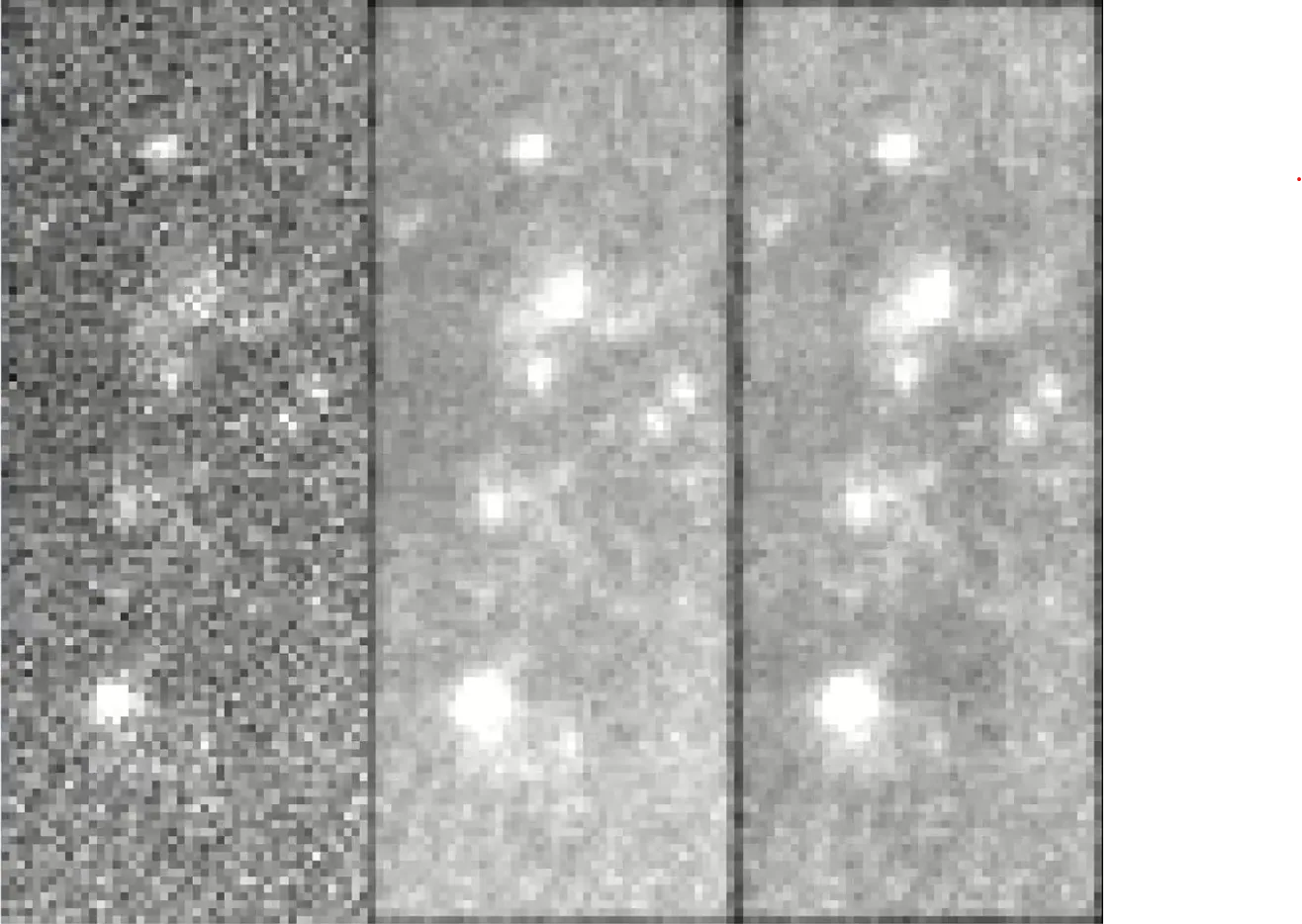
Research platform for zebrafish neural-imaging video: statistical event detection for voltage recordings and a calcium-imaging experiment program that separates activity from background, artifacts, and noise.
Papers, talk recordings, and official University of Florida coverage connected to the projects above.
March 2026 · arXiv
This preprint documents the Plato's Cave system for structured claims, agent-based verification, and human-centered research review.
ORCID, Google Scholar, and the CV provide the shortest verification path for academic visitors.
2025 · UF Data Science & Informatics · DSI Spring Symposium
Public signal-processing workshop recording connected to IEEE SPS at UF.
University pages connect the work to UF AI, UF ECE, and public award context.
Short public notes that explain what I care about, what I am learning, and where the research is moving.
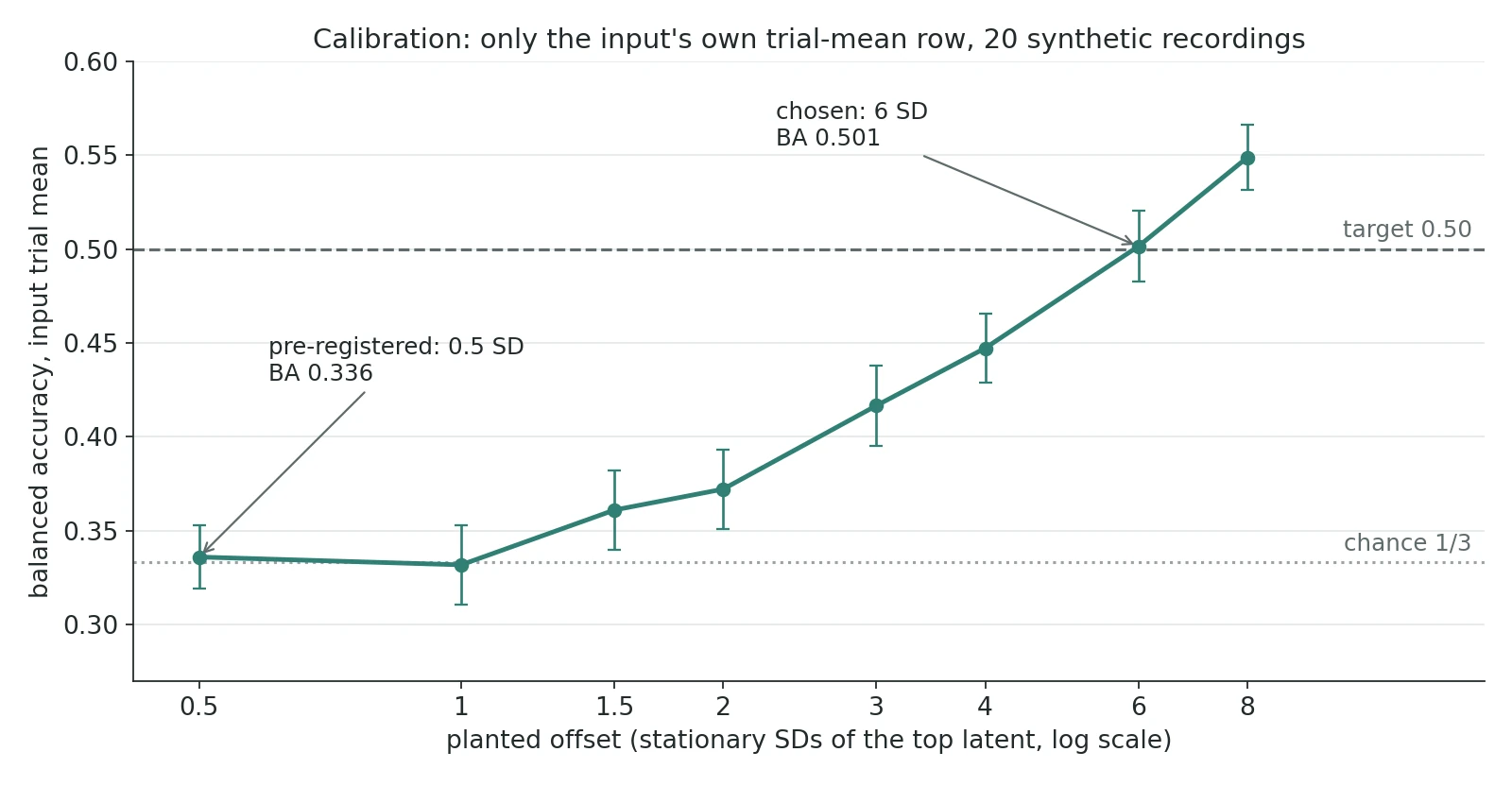
The last direction of the loop asked whether a latent trained with the label in the loop reads better than a static projection; its synthetic gate failed because the planted effect was invisible to the input's own trial mean, the recalibrated rerun passed but favoured the label-free twin, and the real-data input gate then stopped the direction.
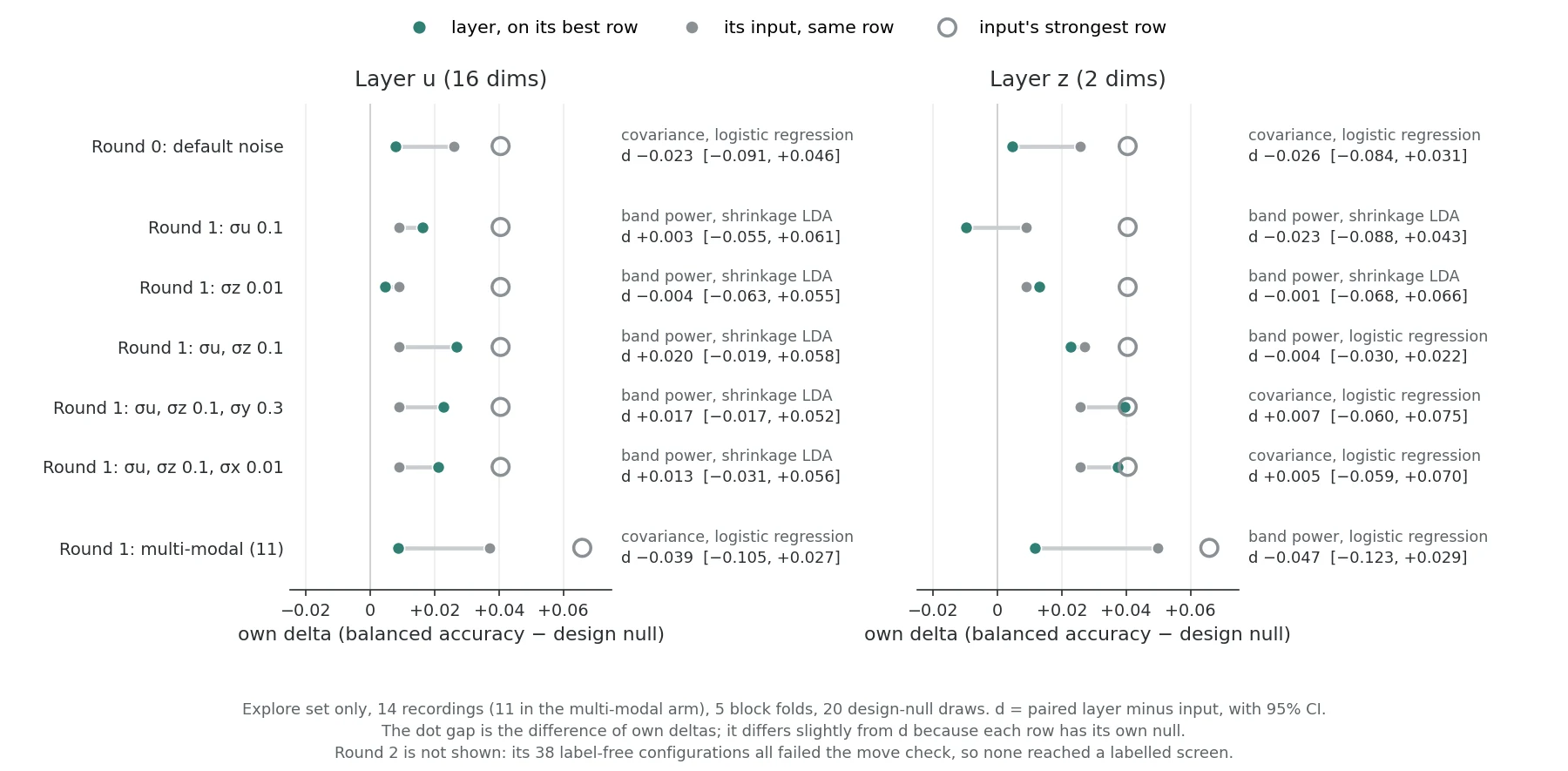
Probing a latent layer against chance is the wrong test when the layer is a filter of its input. Against the input itself, on the explore half of an explore/confirm split, under block folds and a design null, no HLDS layer showed a significant gain in seven labelled configurations, and 38 more never got far enough to be screened.
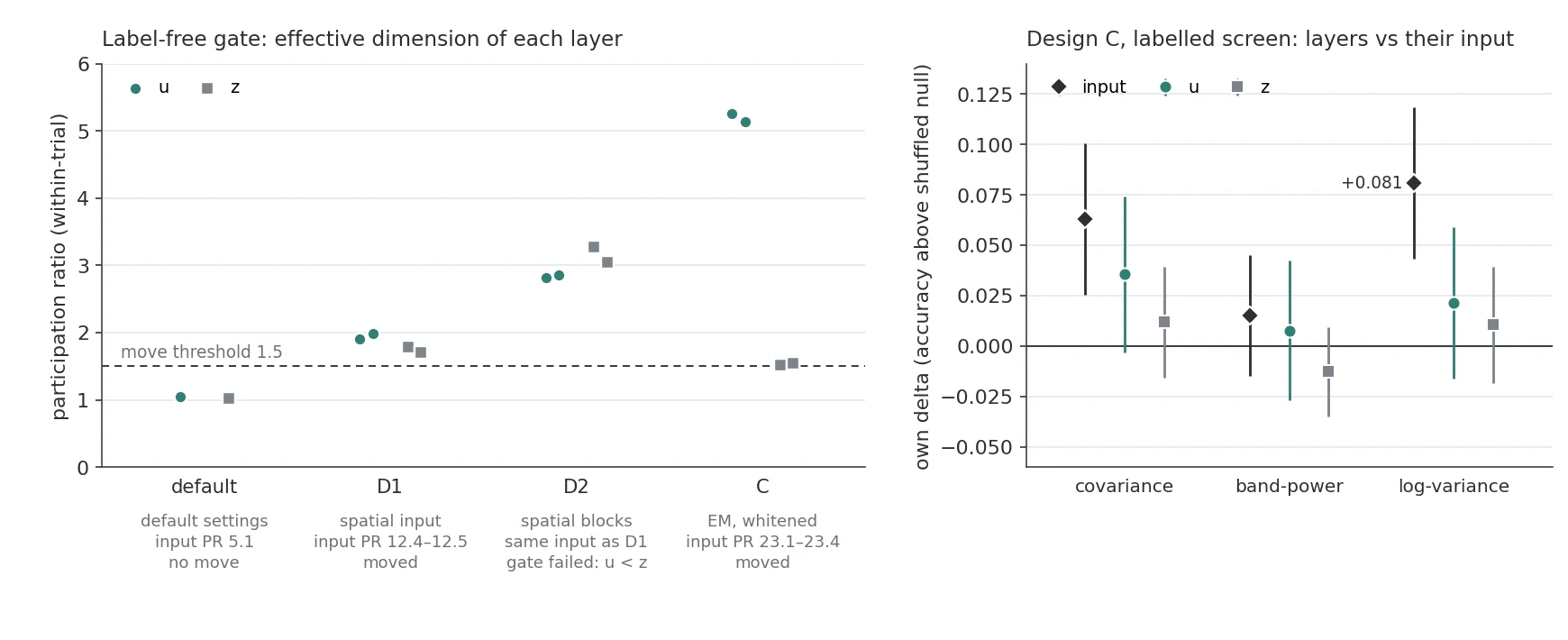
Giving the model a richer input and fitting it by expectation-maximization (EM) made its upper layers use more dimensions, one of them about five instead of one, but in the labelled explore screen neither layer decoded the three conditions as well as the input it was built from.