Raul Valle · University of Florida

Machine learning for physical and neural systems.

I build machine-learning systems for hard physical and biological data: surrogate models for computational fluid dynamics in the SmartDATA Lab, event detection and source separation for neural imaging, and the research software that keeps experiments honest. I am a Ph.D. student in Electrical and Computer Engineering at the University of Florida.

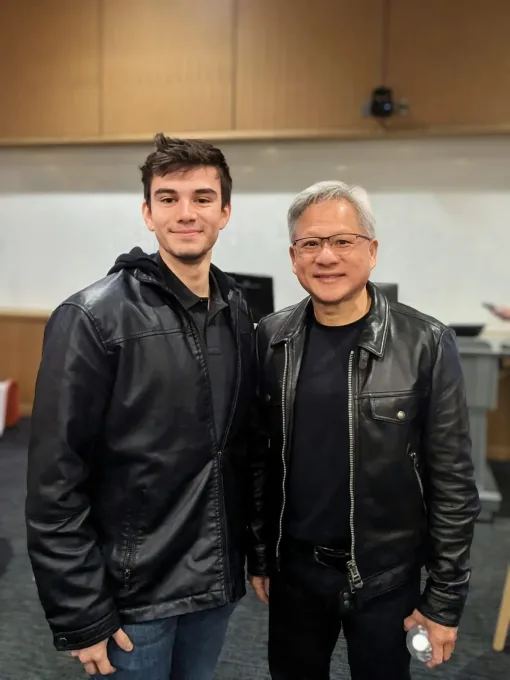
Portrait of Raul Valle
Research

Featured projects

The highest-signal project pages that explain what I am building and why it matters.

SmartDATA Lab · scientific ML · surrogate modeling

Learning surrogate models for computational fluid dynamics

Ph.D. research in the SmartDATA Lab: learned surrogates that stand in for expensive CFD solvers, judged on stability, physical consistency, and generalization.

Neural operatorsMesh graph networksPhysics-informed trainingLatent dynamics
CNEL · sequence modeling · persistent memory

Kernel Adaptive Memory: testing persistent kernel memory for sequence models

Six phases of preregistered experiments asking whether a kernel-routed persistent memory helps sequence models: no general advantage yet, but the hypothesis has narrowed from dense radial attention to sparse, top-K-routed separable memory.

Sparse top-K memorySeparable optimizationPreregistered experimentsPaired-seed statisticsOnline NLMS adaptation
CNEL · dynamical systems · classification

Latent-signal classification with hierarchical dynamical systems

Pipeline that maps noisy multichannel time-series observations to compact latent trajectories with a Hierarchical Linear Dynamical System (HLDS), then evaluates those trajectories for classification, separability, and stability.

Hierarchical Linear Dynamical System (HLDS)Latent-signal classificationTemporal representation learning
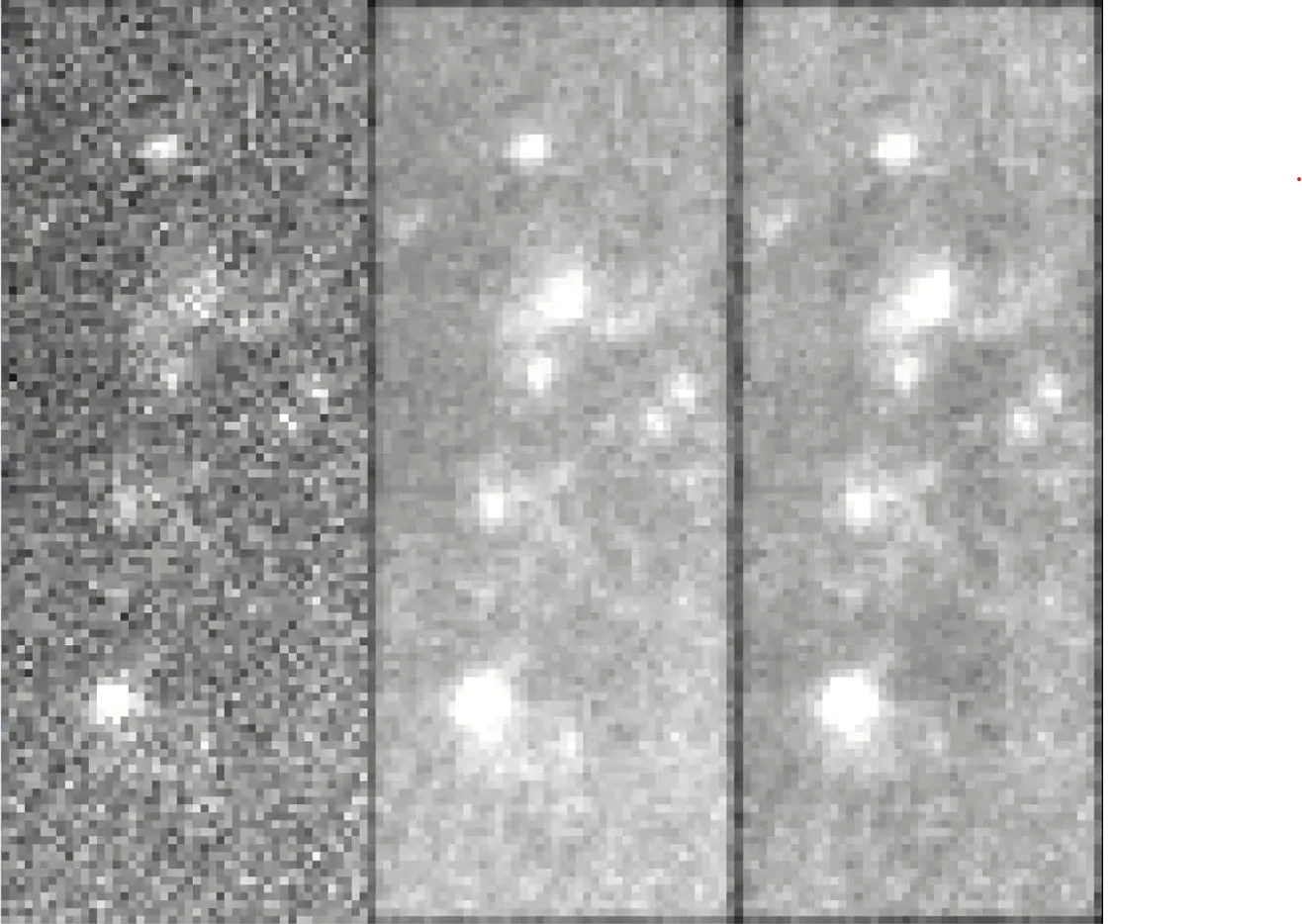
Frame from a zebrafish neural imaging video.
CNEL · neural imaging · signal separation

Zebrafish neural imaging: event detection & source separation

Research platform for zebrafish neural-imaging video: statistical event detection for voltage recordings and a calcium-imaging experiment program that separates activity from background, artifacts, and noise.

Voltage & calcium imagingEvent detectionSource separationStatistical detection
Elsewhere

Personal projects

Software I build outside the lab: apps with their own public homes and tools for my own work.

Co-founded app

Ora

A local-first training and progress app for lifters: fast set logging, a coach that drafts one change with its confidence, and a biomechanics research spine beside the app.

Independent app

Gradus

A reasoning-mastery platform for rigorous STEM courses: attempt a problem, get a deterministic diagnosis of the exact idea you missed, repair the gap, and prove it in a new context.

Photography tooling

Media Cull Suite

Local-first photo and video culling that ranks a shoot, learns my taste, and feeds a capture recipe back to the camera.

Writing

Latest entry and profiles

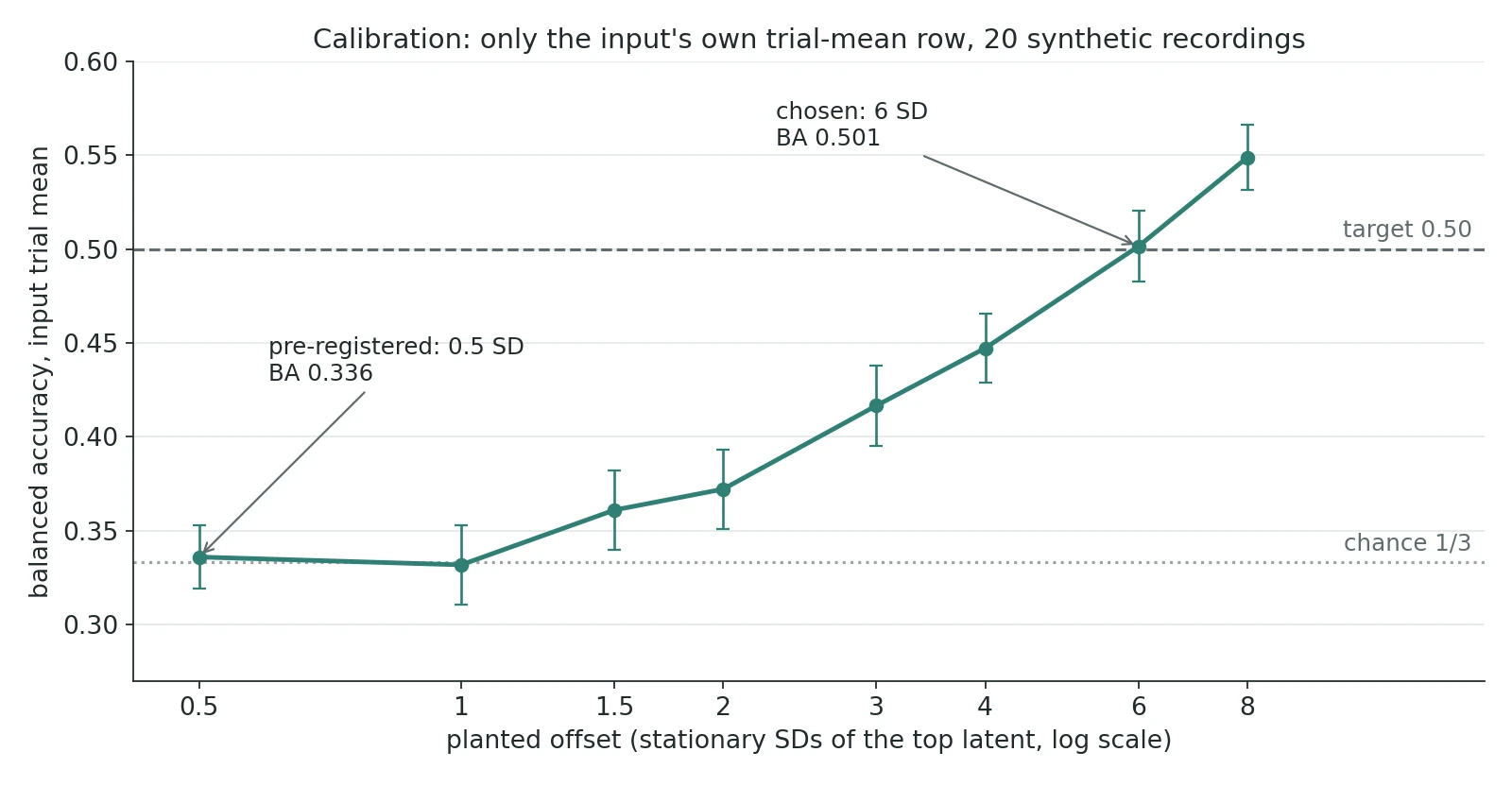
Line chart of balanced accuracy of the input's own trial mean against planted effect size, rising from chance at 0.5 SD to the 0.50 target at 6 SD.
Oct 18, 2026 · Research log

A gate that could not fail for the right reason

The last direction of the loop asked whether a latent trained with the label in the loop reads better than a static projection; its synthetic gate failed because the planted effect was invisible to the input's own trial mean, the recalibrated rerun passed but favoured the label-free twin, and the real-data input gate then stopped the direction.

preregistrationresearch methodologystate-space modelssynthetic validation